

Key Takeaways
- A stye is a red, tender bump on the eyelid that often looks like a small pimple.
- Clogged oil glands and touching your eyes with unwashed hands often play a role in stye development.
- A warm compress at home can soothe most styes within a week or two.
- A stye feels painful, while a chalazion is usually firm and painless.
- See an eye doctor in Reno if a stye lasts beyond two weeks or keeps returning.
What An Eye Stye Is
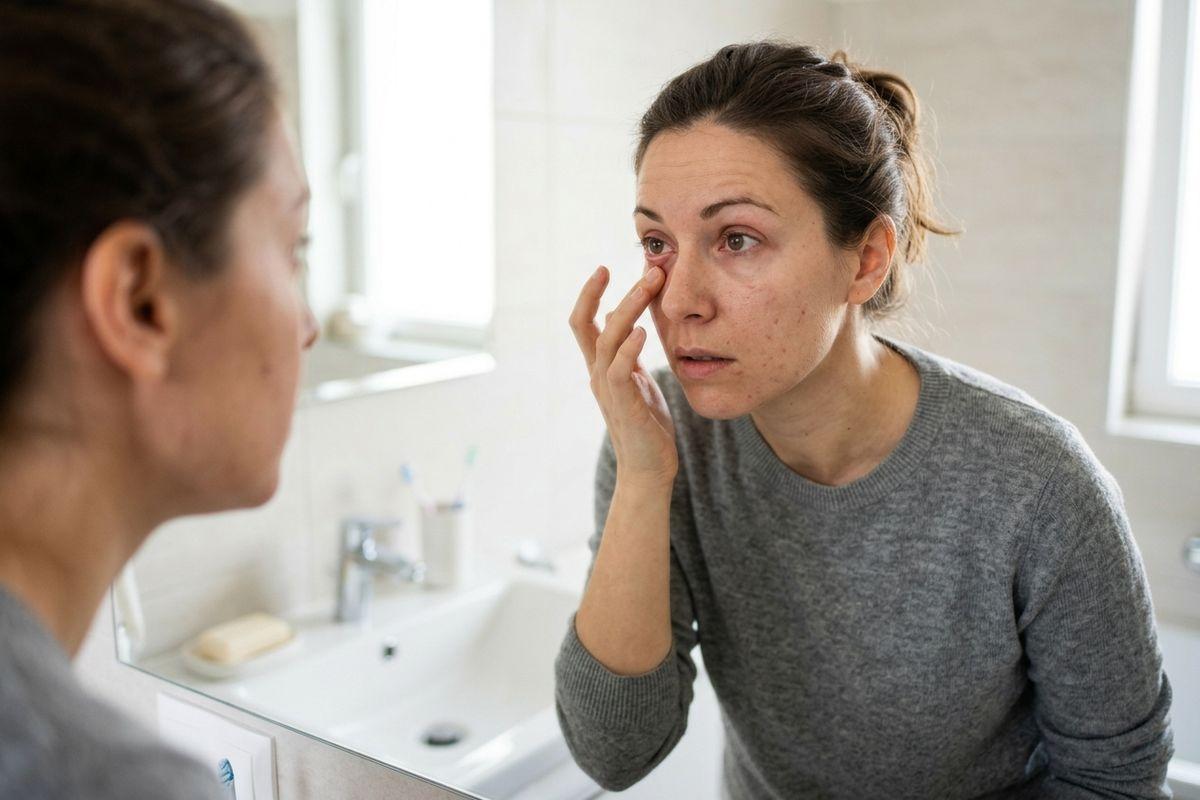
You wake up, look in the mirror, and notice a sore, pimple-like bump along your eyelid. Our team at Dr. Jennifer L. Shane and Associates often hears about this kind of issue, which is known as a stye.
A stye is a red, swollen bump that forms on the eyelid when an oil gland gets clogged and infected. Most styes are harmless and clear up with simple care at home.
Styes show up in kids and adults alike, so families often deal with them more than once. The good news is that they rarely cause lasting harm, and you can usually treat them without much trouble.
What Causes A Stye
Your eyelids contain tiny oil glands that keep your eyes moist. When one of those glands gets blocked, bacteria can move in and cause the area to swell into a tender bump. Rubbing or touching your eyes with unwashed hands gives those bacteria an easy ride to your eyelid.
Symptoms Of A Stye & How to Spot One
A stye usually announces itself. Your eyelid may feel sore, and the bump may grow over a day or two. You might notice your eye watering more than usual or a scratchy, gritty feeling, as though there is something stuck under the eyelid.
Common signs include the following:
- Swelling and redness along the edge of the eyelid.
- Tenderness or pain when you touch your eye or blink.
- A watery eye or a gritty, scratchy feeling.
Things That Raise Your Risk
Some daily habits make styes more likely. Watch out for these:
- Old or shared makeup and lash extensions that trap bacteria near the lash line.
- Poor contact lens habits, like skipping handwashing or wearing lenses too long.
- Sweat, chlorine from the pool, or skin conditions that irritate the eyelid.
Stye Vs. Chalazion
People often mix up styes with chalazia, but these two conditions are different. A stye tends to hurt and feels tender right away. A chalazion is usually firmer, sits a little farther back on the lid, and often causes no pain at all.
At-Home Treatment Options For A Stye
Most styes respond well to gentle care at home. A warm compress is the simplest place to start, as compresses can ease the swelling while helping the gland drain on its own.
How To Use A Warm Compress
- Soak a clean cloth in warm, comfortable water and wring out the extra.
- Hold the cloth against your closed eyelid for about 10 minutes.
- Repeat three to five times a day until the bump settles.
What Not To Do
A few habits can make a stye worse. Keep the following in mind:
- Don’t squeeze or pop a stye, as doing so can spread bacteria deeper.
- Skip makeup and contact lenses until the bump clears.
- Keep your eyelid clean and handle it gently when you wash your face.
When To See An Eye Doctor
Most styes fade within a week or two. Sometimes, though, the bump sticks around, and that’s when a visit to your eye doctor in Reno makes sense.
Reach out to your eye doctor if you notice any of the following:
- A stye that lasts more than two weeks despite home care.
- Growing pain, spreading redness, or changes in your vision.
- Styes that keep coming back in the same spot.
Book A Visit With Our Team
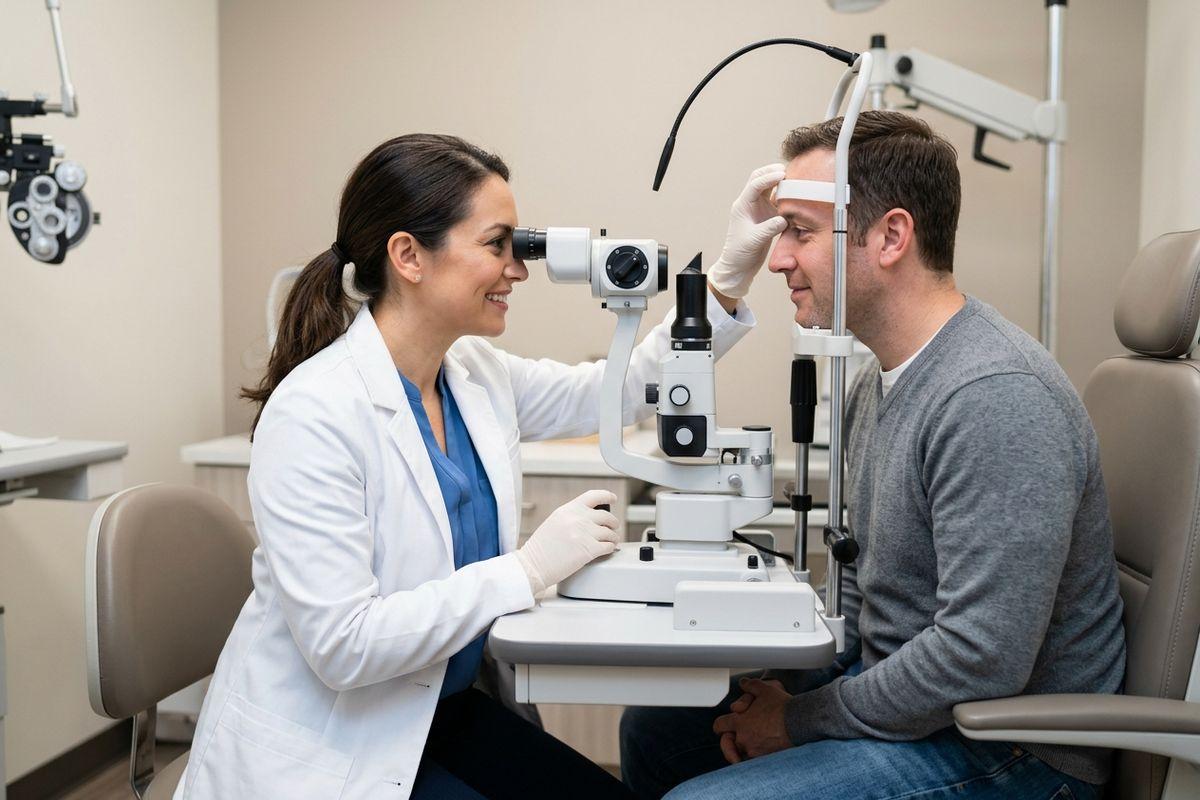
Our team at Dr. Jennifer L. Shane and Associates can take a close look, help calm the irritation, and give you clear answers about what’s going on. An exam with the optometrist can also catch habits or conditions that lead to repeat styes, so you spend less time dealing with sore eyelids.
If your stye won’t quit, your optometrist in Reno, NV is ready to help. Call our team at Dr. Jennifer L. Shane and Associates today to book your appointment and get back to seeing clearly and comfortably.