


Key Takeaways
- Pink eye is inflammation of the clear membrane covering the white of your eye.
- The three main types of pink eye are viral, bacterial, and allergic.
- Symptoms include redness, discharge, crusty eyelashes, and light sensitivity.
- Severe pain, blurred vision, or worsening symptoms mean that you need to see a professional.
- Contact lens wearers should remove their lenses at the first sign of symptoms.
- Simple hygiene habits can go a long way toward stopping the spread.
There Are Different Forms Of Pink Eye
Your eye is red, and there’s a sticky crust along your lash line when you wake up. If that sounds familiar, there’s a good chance that pink eye is the culprit. Fortunately, most cases are manageable once you know what you’re dealing with.
Pink eye is an inflammation of the clear membrane that covers the white of your eye. Knowing which type of pink eye you’re dealing with is the first step towards managing it. Some cases clear up on their own, while others might need a visit with our team at Dr. Jennifer L. Shane and Associates. Here’s what you need to know.
What Pink Eye Is
Pink eye, also called conjunctivitis, happens when the clear membrane over the white of your eye becomes inflamed. It can affect one eye or both at the same time. Depending on the type, it may or may not be contagious, which is why figuring out what you’re dealing with matters, especially if you have kids at home or in school.
The Three Main Types Of Pink Eye
Viral Pink Eye
This is the most common type. It often shows up alongside a cold or sore throat, so if someone in your household is already sick, keep an eye out. Viral pink eye spreads easily through contact with fluid from an infected eye, but it typically clears up on its own.
Bacterial Pink Eye
Bacterial pink eye tends to produce thick yellow, green, or white discharge. It can take up to 2 weeks to clear without treatment, but antibiotic eye drops from your eye doctor can help speed things along. If your child’s eye is heavily crusted or the discharge keeps coming back, a visit to an eye doctor in Reno is a good next step.
Allergic Pink Eye
Unlike the other two types, allergic pink eye is not contagious. It’s usually linked to pollen, mold, or pet dander, and it tends to affect both eyes at once. Symptoms often improve once the allergen is removed or reduced. If allergy season hits your family hard every year, this type of pink eye may be a familiar frustration.
Symptoms To Watch For
Pink eye shows up differently depending on the type, but there are common signs to look out for. These include:
- Red, watery, or itchy eyes.
- Crusty eyelashes, especially when you wake up in the morning.
- Swollen eyelids, discharge, or sensitivity to light.
These symptoms can resemble other eye conditions, so if you’re not sure what you’re dealing with, an eye doctor in Reno can help you figure it out.
When To See A Doctor For Pink Eye
Signs That Cannot Wait
Some cases of pink eye need attention sooner rather than later. Reach out to your optometrist if you notice any of the following:
- Severe eye pain or blurred vision.
- Symptoms that get worse instead of better.
- A large amount of discharge that doesn’t wipe clear.
Contact Lens Wearers, Take Note
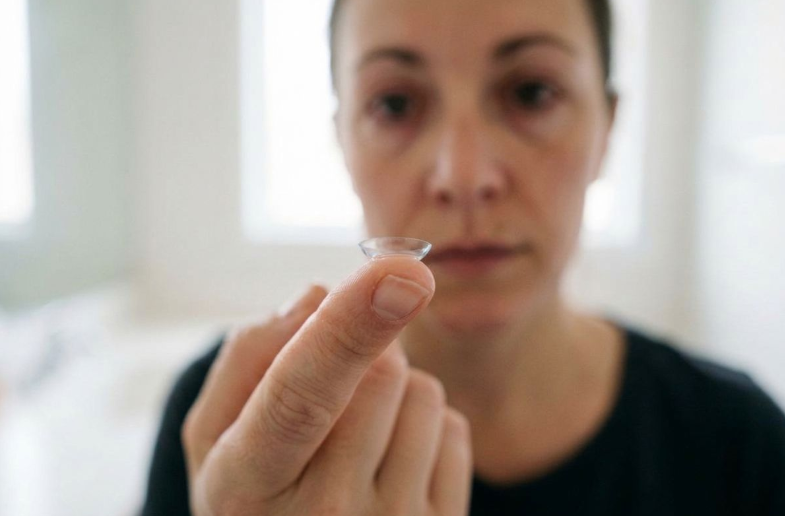
If you wear contact lenses and notice pink eye symptoms, take your lenses out right away. Don’t put them back in until your eye doctor gives you the go-ahead. If your symptoms don’t start to improve shortly after removing your lenses, it’s time to book an appointment. Contact lenses and an irritated eye are not a good combination.
Simple Ways To Avoid Spreading Pink Eye
If someone in your household has pink eye, a few straightforward habits can help keep it from spreading to others:
- Wash your hands often and avoid touching your eyes.
- Don’t share towels, pillowcases, or eye makeup.
- Stay home from school or work if close contact with others is unavoidable.
These small steps can make a noticeable difference, especially in homes with young children. If pink eye keeps coming back or you’re not sure whether another eyelid condition could be involved, it’s worth paying a visit to your optometrist.
Your Family’s Eye Health Matters
Pink eye is uncomfortable, but it’s also very manageable when you know what to look for and when to get help. Whether it’s your child with red, crusty eyes or you yourself dealing with irritation, our team at Dr. Jennifer L. Shane and Associates is here to help you get answers and feel better. If you’re looking for experienced eye doctors in Reno, reach out to our team today to book an appointment.