

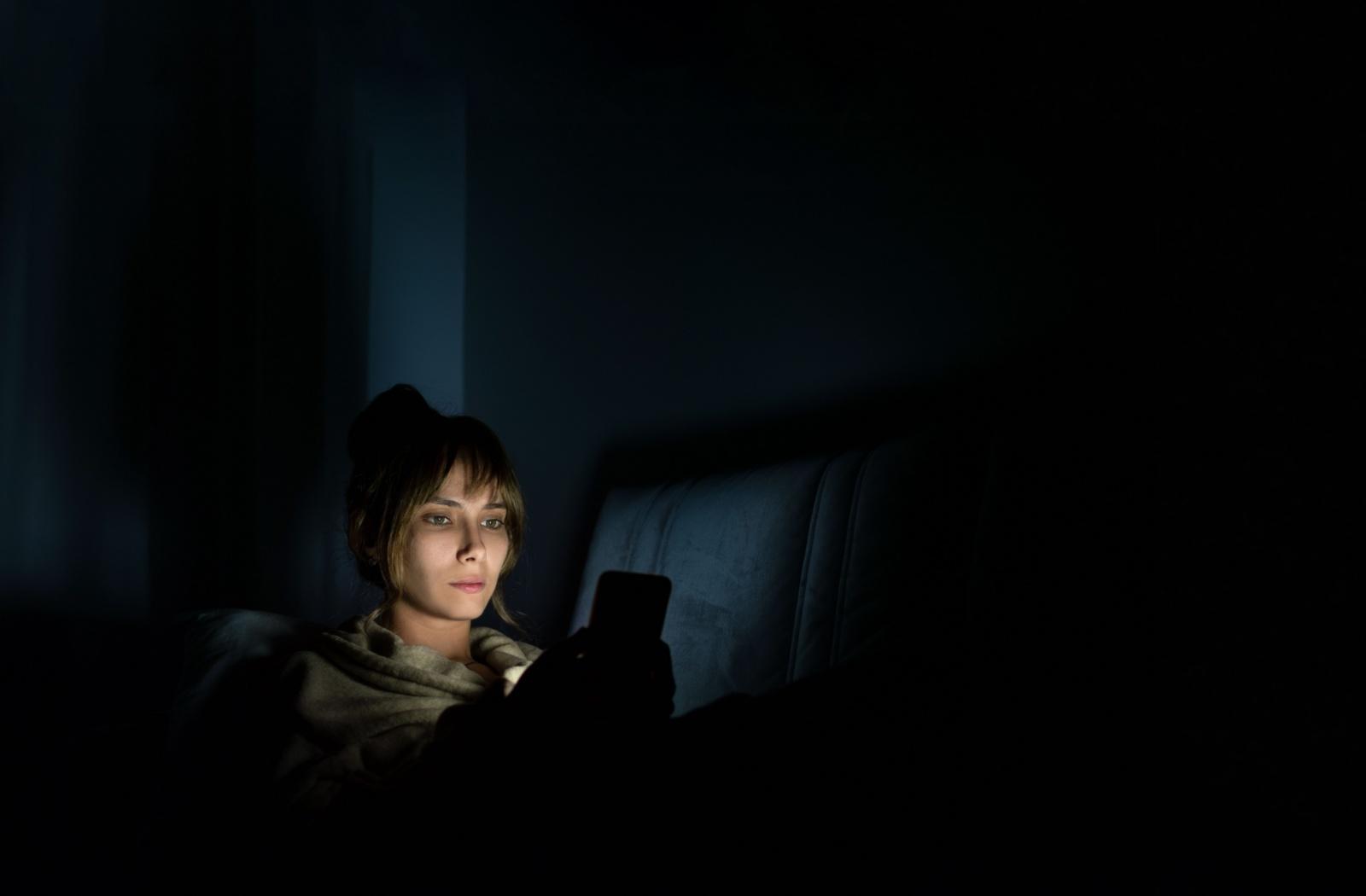
Your family spends hours each day looking at phones, tablets, computers, and televisions. Between work, school, and entertainment, screen time has become a major part of daily life for families. At Dr. Jennifer L. Shane & Associates, we regularly help families understand how digital device usage impacts their eye health and what steps they can take to maintain clear, comfortable vision in our increasingly connected world.
Screen time can affect your vision by causing digital eye strain and dry eye, and by contributing to the progression or development of nearsightedness, especially in children. The good news is that you can take simple steps to protect your family’s eyesight while still enjoying the benefits of technology. Our comprehensive eye care resources help families throughout the Reno area develop healthy digital habits that support long-term vision wellness.
What Happens To Your Eyes During Screen Time
Your eyes work harder when you look at digital screens than when you read printed materials. The pixels on screens constantly refresh, making your eyes refocus continuously to keep images sharp.
Blue light from screens can penetrate deep into your eye and reach the retina. Your eyes also blink less frequently when you concentrate on screens, which reduces the natural moisture that keeps your eyes comfortable. This reduced blinking rate contributes to the development of dry eye symptoms that many families experience during extended screen sessions.
The Digital Eye Strain Connection
Digital eye strain happens when your eye muscles get tired from the constant focusing demands of screen use. This condition affects people of all ages, from children doing homework on tablets to parents working long hours at computers.
The strain can worsen when you hold devices too close to your face or use screens in poor lighting. Your eyes struggle to maintain clear focus, leading to discomfort and vision problems.
Common Screen Time Symptoms You Might Notice
You or your family members might experience several symptoms after extended screen use, including:
- Dry or watery eyes
- Blurred vision
- Headaches
- Neck and shoulder tension
- Difficulty focusing
- Eye fatigue
These symptoms often appear during or immediately after screen time and can affect your daily activities. Children might complain about tired eyes after homework or rub their eyes frequently while using devices. Our digital eye strain services help families identify and address these common concerns before they interfere with school, work, or daily comfort.
How Much Screen Time Is Too Much For Your Eyes
Screen Time Guidelines For Different Ages
Children under 2 should have minimal screen exposure except for video chatting with family. Kids ages 2–5 can handle about 1 hour of programming per day with parental guidance.
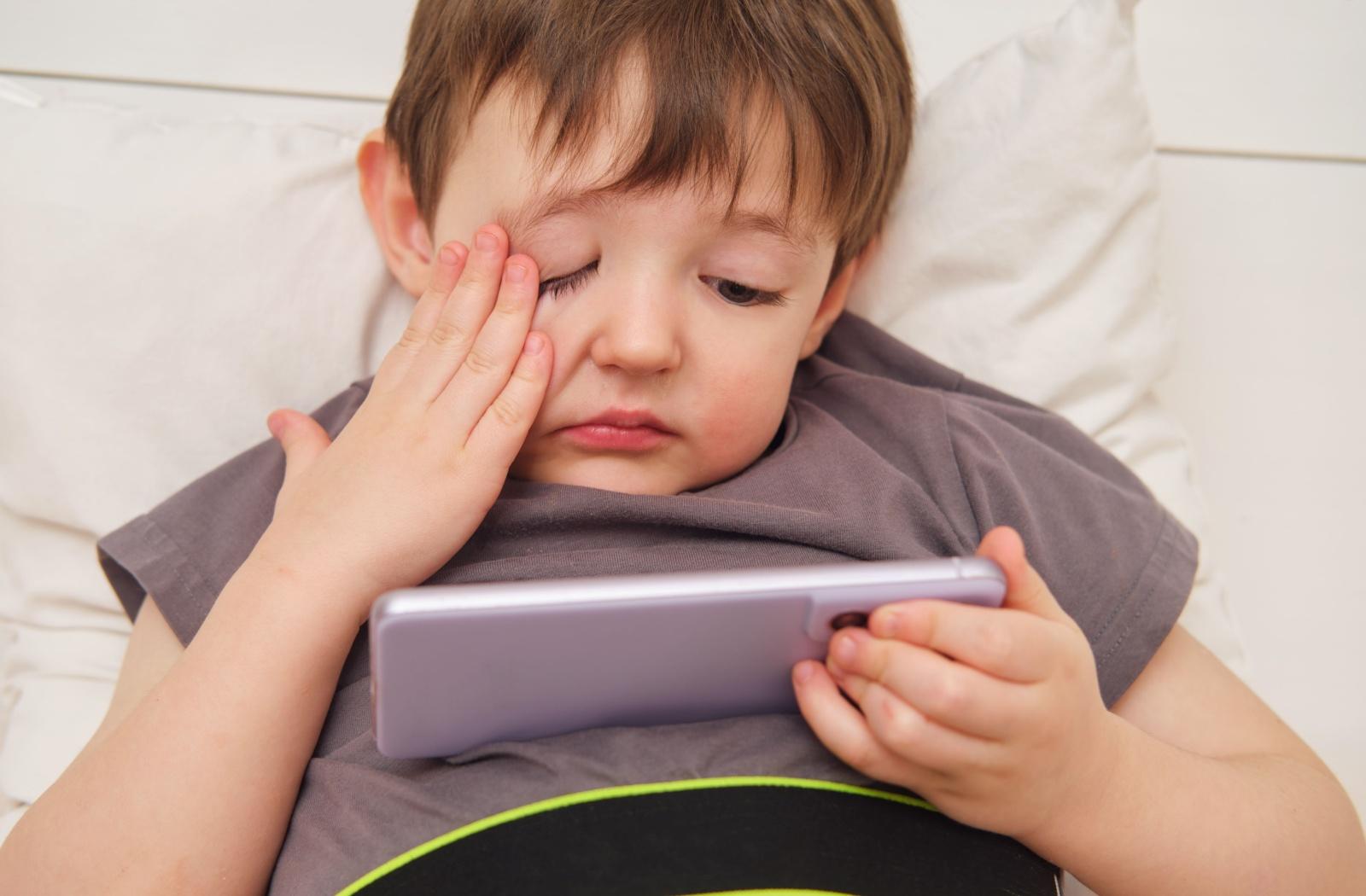
School-age children and teens often need screens for education, but recreational screen time should be balanced with outdoor physical activity and sleep. Research shows that outdoor time protects children against myopia, making it essential to balance screen activities with time spent outside.
Adults working at computers might spend 6–8 hours daily on screens, making eye protection habits even more important.
When To Be Concerned About Your Daily Usage
You should pay attention to your screen habits when symptoms interfere with daily tasks or sleep patterns. If your child complains about eye discomfort during homework or you experience headaches after work, it’s time to make changes.
Extended screen sessions without breaks can lead to more serious eye strain. Notice when symptoms persist even after you stop using devices, as this might indicate your eyes need professional attention.
Simple Ways To Protect Your Vision From Screens
The 20-20-20 Rule And Other Break Strategies
Follow the 20-20-20 rule: every 20 minutes, look at something 20 feet away for at least 20 seconds. This simple habit gives your eye muscles a chance to relax and refocus.
Take longer breaks every hour by standing up and moving around. Encourage your children to step away from homework screens regularly and engage in activities that don’t require close-up focus.
Proper Screen Setup And Lighting
Position your screen about arm’s length away and slightly below eye level. This reduces neck strain and helps your eyes maintain a more natural position while viewing.
Use ambient lighting that’s about half as bright as your screen to reduce contrast. Avoid using devices in completely dark rooms, as the bright screen against the darkness can create additional eye strain.
Blinking Exercises And Eye Care Habits
Make a conscious effort to blink more often while using screens. Deliberate blinking helps spread tears across your eyes and keeps them moist throughout the day.
Teach your family to do simple eye exercises, such as focusing on distant objects or gently closing their eyes for a few seconds. These habits can become second nature with practice and help prevent eye fatigue.
Long-Term Effects Of Screen Time On Vision
Current research suggests that digital eye strain symptoms are typically temporary and resolve when you reduce screen time or improve viewing habits. However, prolonged poor screen habits might contribute to existing vision problems.
The effects of blue light exposure over many years are still being studied. While screens alone don’t cause permanent eye damage in healthy individuals, they can worsen underlying vision conditions that need professional attention.
Screen Time And Myopia Development
Children who spend extensive time on close-up tasks, including screen use, might have higher rates of nearsightedness development. This connection appears stronger when screen time replaces outdoor activities and distance vision tasks.
Encouraging outdoor play and limiting recreational screen time can help reduce myopia risk in children. Regular eye exams can detect vision changes early, allowing for timely intervention when needed. The growing concern about myopia in children makes it essential for families to balance screen time with outdoor activities and regular vision monitoring.
When To Visit Your Optometrist For Screen-Related Eye Issues
Schedule an appointment if you or your family members experience persistent eye discomfort, frequent headaches, or vision changes that don’t improve with screen breaks. These symptoms might indicate underlying vision problems that need correction.
Children who avoid homework, sit very close to screens, or complain about blurry vision should receive prompt eye care. Early intervention can help prevent vision problems from affecting school performance and daily activities. Our children’s eye exams are designed to detect screen-related vision changes before they impact your child’s learning and development.
How Regular Eye Exams Can Catch Screen-Related Problems Early
Annual eye exams help detect vision changes, often before they cause significant discomfort or interfere with your family’s activities. Your optometrist in Reno can identify dry eye conditions, focusing problems, and other issues related to digital device use.
Regular exams also check that existing vision prescriptions remain accurate as your family’s screen habits change. Updated prescriptions can reduce eye strain and make screen time more comfortable for everyone. Comprehensive eye exams provide the foundation for maintaining healthy vision in our digital world.
Treatment Options Available In Reno, Sparks, And Carson City
We offer comprehensive solutions for screen-related eye problems, including specialized computer glasses and dry eye treatments. These options can help your family enjoy technology while protecting long-term eye health.
Your eye doctor in Reno can also provide personalized recommendations for screen setup, lighting, and vision habits based on your family’s specific needs and lifestyle. Professional guidance helps you make informed decisions about protecting your vision in our digital world. Our selection of lenses with coatings can reduce digital eye strain and provide enhanced comfort during extended screen use.
Protect Your Eyes
Don’t let screen time compromise your family’s vision and comfort. Contact Dr. Jennifer L. Shane & Associates today to schedule comprehensive eye exams for every member of your household and learn more about protecting your eyes from digital strain.